




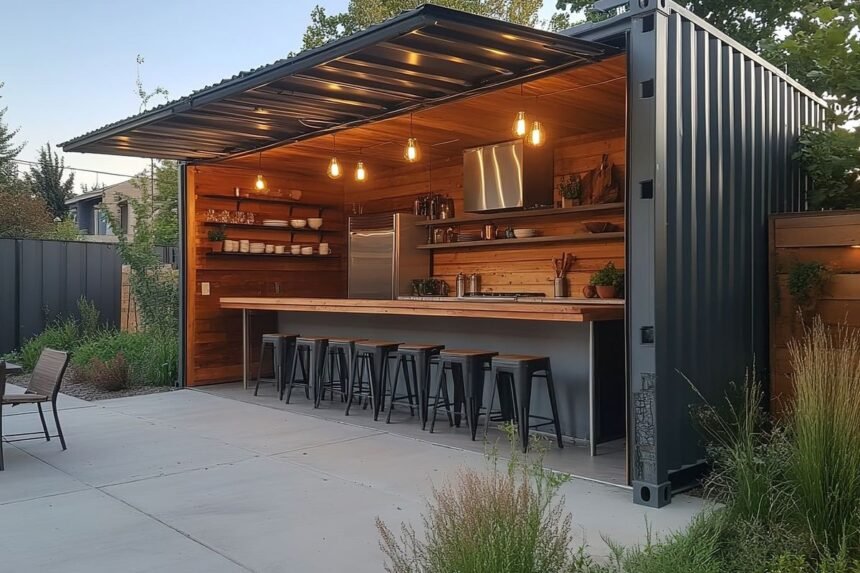
If you’ve ever dreamed of cooking al fresco but thought your patio or backyard was too small, you’re not alone. Plenty of homeowners face the same challenge—limited square footage, tight budgets, or HOA rules that rule out sprawling setups. The good news? A small outdoor kitchen can deliver big enjoyment without dominating your outdoor space.
In this guide, you’ll discover practical, creative Small Outdoor Kitchen Ideas that work for decks, balconies, side yards, and tiny patios. From clever layouts and space-saving appliances to budget-friendly builds and finishing touches, these ideas prove that you don’t need a massive backyard to enjoy outdoor cooking, entertaining, and relaxing.
Whether you’re working with a narrow side yard, a modest concrete pad, or just a corner of your deck, the following ideas will help you create a functional, inviting outdoor cooking zone that feels intentional rather than cramped.
Why a Small Outdoor Kitchen Makes Sense
Small outdoor kitchens are rising in popularity for good reason. They cost less to build, require less maintenance, and fit into spaces many people already have. A compact setup can still include a grill, a prep surface, storage, and even a mini fridge or sink.
The real advantage is flexibility. You can start simple—perhaps with a freestanding grill and a folding table—and expand later. Or you can design a permanent built-in that looks polished while occupying only a few square feet. Either way, the focus stays on usability and enjoyment rather than square footage.
People who install small outdoor kitchens often report cooking outside more often, entertaining more casually, and spending more time outdoors overall. The key is choosing ideas that match your space, climate, and how you actually cook and gather.
Compact Layout Designs That Maximize Every Inch
Layout is everything when space is limited. Instead of spreading appliances in a long run, think in zones or L-shapes that hug a wall or corner.
One of the most effective approaches is a linear setup against a house wall or fence. Place the grill at one end, a prep counter in the middle, and storage or a sink at the other. This keeps the work triangle tight and leaves the rest of the patio free for seating.
Corner layouts work beautifully on small decks or patios. An L-shaped counter creates a natural cooking and prep area while defining the space without walls. For extremely tight spots, a single galley-style island or a freestanding cart that can be moved when not in use keeps the area flexible.
Another smart option is the “kitchenette” approach: a compact built-in that includes only the essentials—grill, countertop, and under-counter storage—measuring roughly 6 to 8 feet long. These designs feel intentional and polished while leaving room for a small table or lounge chairs nearby.
Essential Appliances and Features for Tight Spaces
You don’t need every appliance under the sun. Focus on high-impact pieces that earn their keep.
A quality gas or charcoal grill is usually the star. Look for models with side shelves that fold down or units designed specifically for small footprints. Some modern grills include infrared burners or rotisserie attachments that expand cooking options without extra width.
A compact refrigerator or outdoor-rated mini fridge keeps drinks and perishables cold without requiring a full-size unit. Under-counter models slide neatly beneath a countertop and free up surface space.
A sink is highly useful but optional in the smallest setups. If plumbing is difficult, a portable utility sink or even a large cooler with ice can handle basic needs. For true convenience, a small stainless-steel sink with a simple faucet and drain to a nearby garden or dry well works well in many climates.
Prep space matters more than most people realize. Aim for at least 3 to 4 feet of continuous countertop next to the grill. Fold-down or pull-out surfaces can add temporary workspace when needed and disappear when not.
Storage is non-negotiable. Closed cabinets protect tools and supplies from weather and keep the area looking tidy. Open shelving or hooks for utensils, towels, and cutting boards add function without bulk.
Budget-Friendly Small Outdoor Kitchen Ideas
You can create a functional outdoor kitchen without a major renovation budget. Start with what you already own or can find secondhand.
A freestanding grill paired with a sturdy outdoor table or potting bench creates an instant cooking station. Add a rolling cart for extra prep and storage, and you have a complete setup that can be rearranged or stored in winter.
Pallet wood or reclaimed lumber can form the base of a simple counter or island. Seal it well, top it with a weather-resistant surface such as concrete board or outdoor tile, and you’ve built a custom piece for a fraction of the cost of cabinetry.
Concrete blocks or cinder blocks stacked and filled create a solid, low-cost base for a grill or counter. Cover them with stucco, tile, or outdoor paint for a finished look.
Shop end-of-season sales for appliances and look for outdoor-rated materials that last. Many people successfully build small outdoor kitchens for a few hundred to a couple of thousand dollars by combining DIY elements with carefully chosen store-bought pieces.
Smart Use of Vertical Space and Clever Storage
When floor space is limited, go up. Vertical solutions keep counters clear and tools accessible.
Wall-mounted shelves, magnetic knife strips, and pegboards hold utensils, spices, and cutting boards. A hanging pot rack above the prep area frees cabinet space and adds a professional touch.
Overhead cabinets or a simple open shelf above the counter keep plates, glasses, and serving pieces nearby. Just make sure the height remains comfortable for your tallest users.
Pull-out drawers, slide-out trash bins, and toe-kick storage maximize every inch of cabinetry. Even a narrow vertical pull-out can hold bottles, towels, or cleaning supplies.
Mobile storage—rolling carts, outdoor cabinets on casters, or stackable bins—lets you reconfigure the space for different occasions. When guests arrive, roll the cart to create an extra serving station; when you need more room to sit, roll it aside.
Material Choices That Balance Style, Durability, and Cost
Materials must stand up to weather while looking good for years. Stainless steel remains a favorite for appliances and countertops because it resists rust and cleans easily. Powder-coated aluminum and certain composites offer lighter, more affordable alternatives.
For countertops, concrete, quartz designed for outdoor use, and sealed natural stone perform well. Tile works if properly installed with outdoor-rated adhesive and grout. Wood can add warmth but requires regular sealing or should be used only in covered areas.
Cabinetry options include marine-grade polymer, which won’t rot or swell, stainless steel, and treated wood or composite materials. Avoid particleboard or standard indoor cabinets—they won’t last outdoors.
Flooring should be slip-resistant and easy to clean. Porcelain tile, stamped concrete, and composite decking all work well under a small outdoor kitchen.
Color and texture help the kitchen feel intentional. Neutral tones blend with most landscapes, while a bold accent tile or painted base can make a compact kitchen feel like a design feature rather than an afterthought.
Incorporating Seating and Dining Without Crowding the Space
A small outdoor kitchen works best when it connects easily to places to sit and eat. You don’t need a full dining set right next to the grill.
A pair of stools at a raised counter creates a casual bar-height dining spot that doubles as extra prep space. Folding chairs or stackable stools store compactly when not needed.
If space allows, place a small bistro table a few feet away so the cook can chat with guests while still tending the grill. Built-in benches along a nearby wall or planter edge save floor space and add seating without extra furniture.
Consider the flow. Leave a clear path between the kitchen and seating so people can move freely. In very tight yards, a single multi-use surface that serves as both prep counter and dining ledge can be surprisingly effective.
Lighting, Ambiance, and Finishing Touches
Good lighting extends the usability of your outdoor kitchen into the evening and improves safety. Under-cabinet LED strips provide task lighting for the counter and grill. String lights or a simple pendant over a dining area create a warm atmosphere.
Solar path lights or low-voltage landscape lights can highlight the kitchen as a focal point without complicated wiring.
Accessories complete the look. Outdoor rugs define the zone, weatherproof cushions soften seating, and a few potted herbs within reach of the prep area add both beauty and function. A small outdoor speaker or Bluetooth setup keeps music going without clutter.
Privacy screens, tall planters, or a simple pergola overhead can make a compact kitchen feel more enclosed and intentional, especially in exposed yards or near neighboring properties.
FAQs
How much space do I need for a small outdoor kitchen?
Many functional setups fit in 40–80 square feet. Even a 6-foot linear run against a wall can include a grill, prep space, and storage.
Can I install a small outdoor kitchen on a balcony or apartment patio?
Yes, with careful planning. Use freestanding or portable pieces, confirm weight limits and HOA rules, and prioritize electric or propane appliances if permanent gas lines or plumbing aren’t allowed.
Do I need a building permit?
It depends on your location and the scope of work. Simple freestanding setups usually don’t require permits, but built-in structures, gas lines, or electrical work often do. Check with local authorities before starting.
What’s the most important feature in a small outdoor kitchen?
Adequate prep space next to the cooking surface and reliable storage. Without these, the kitchen quickly becomes frustrating to use.
How can I protect my outdoor kitchen from weather?
Choose weather-rated materials, cover appliances when not in use, and consider a roof, awning, or pergola for long-term protection. In cold climates, winterize plumbing and store portable pieces indoors.
Read More About: NexaChronicle
Conclusion
A small outdoor kitchen doesn’t have to feel limited. With thoughtful layout, the right appliances, smart storage, and a few design tricks, even the most modest patio or side yard can become a place where you love to cook, gather, and unwind.
The best small outdoor kitchen ideas start with honesty about your space and how you actually use it. Prioritize function, choose durable materials, and leave room for the things that make outdoor living enjoyable—conversation, fresh air, and good food.
Whether you begin with a portable cart and a grill or invest in a compact built-in, the goal remains the same: create an outdoor cooking space that fits your life instead of forcing your life to fit the space. Start small, build what you need, and enjoy the results every time you step outside.