




Moving a car from one place to another can seem simple until you start looking at the numbers. Once you request a quote, you may notice that the price can vary quite a bit from one company to another. That often leads to the same question: what is the actual Car Chipping Cost?
There isn’t one fixed price that applies to every vehicle or every route. The amount you pay depends on several factors, including the distance, type of transport, vehicle size, shipping dates, pickup location, and delivery method. Understanding these factors can make it much easier to compare quotes and avoid unexpected charges.
Whether you’re relocating to another state, buying a vehicle from a distant seller, or sending a car to a family member, knowing how auto transport pricing works can help you plan your budget.
What Is the Average Car Shipping Cost?
The average car shipping cost can vary considerably depending on the circumstances. For a typical domestic shipment, customers may pay anywhere from several hundred dollars to well over $1,500.
Short-distance transportation is usually less expensive in total, although the cost per mile can sometimes be higher. Long-distance routes generally have a higher overall price but may have a lower cost per mile because carriers can transport several vehicles along the same route.
For example, shipping a car a few hundred miles might cost less than shipping it across the country. However, the exact quote depends on the route and current carrier availability.
Instead of focusing only on an advertised average, it’s better to understand what goes into the quote. Two vehicles traveling the same distance can have different shipping prices because their sizes, conditions, transport methods, and delivery requirements may not be identical.
Factors That Affect Car Shipping Cost
Several variables influence the final price of vehicle transportation. Knowing them beforehand can help you understand why one quote is higher than another.
1. Shipping Distance
Distance is one of the biggest factors in auto transport pricing. Generally, the farther your vehicle needs to travel, the more you’ll pay.
However, the relationship isn’t always perfectly proportional. A carrier traveling a long interstate route may already be moving several vehicles in the same direction. This can make the cost per mile relatively efficient.
Routes between major cities often have more carrier activity, which can also create competitive pricing.
2. Type of Transport
The type of carrier you choose can make a noticeable difference.
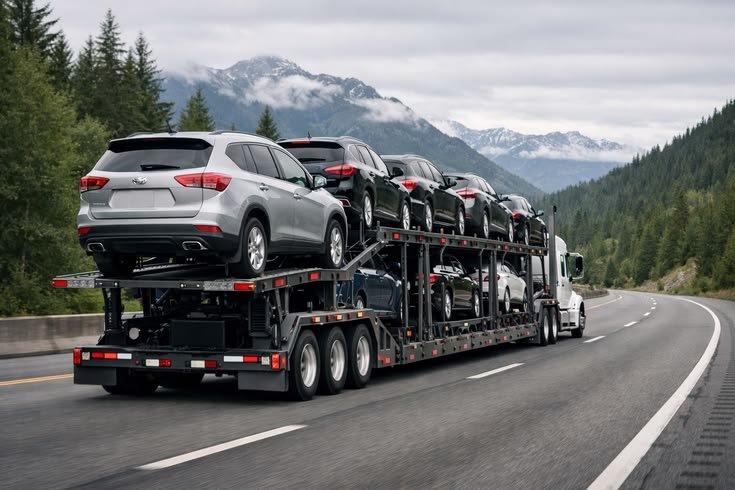
Open transport is the most common option. Your vehicle is transported on an open trailer, similar to the trucks you may see carrying several cars on highways. Because these carriers can move multiple vehicles at once, open transport is generally the more affordable choice.
Enclosed transport provides additional protection by placing the vehicle inside a covered trailer. This option is particularly popular for luxury, classic, exotic, antique, or highly valuable vehicles. Since enclosed carriers usually carry fewer cars and provide extra protection, they typically cost more.
For an everyday vehicle, open transport is often sufficient. For a rare or expensive car, the additional expense of enclosed shipping may be worth considering.
3. Vehicle Size and Weight
A small sedan doesn’t require the same amount of trailer space as a large SUV or pickup truck.
Larger and heavier vehicles can increase transportation costs because they take up more space and add weight to the carrier. Trucks, Oversized SUVs, vans, and modified vehicles may therefore receive higher quotes than compact cars.
If your vehicle has aftermarket modifications, such as oversized tires, a lifted suspension, or other changes that increase its dimensions, mention them when requesting a quote.
4. Pickup and Delivery Locations
Location can have a surprisingly large impact on the final price.
Major cities and heavily traveled transportation corridors usually have more carriers passing through them. This can make pickups and deliveries easier to arrange.
Rural areas can be more complicated. A carrier may need to drive a significant distance away from its normal route to collect or deliver one vehicle. That additional mileage and time may increase the price.
Some customers choose a nearby major city as their pickup or delivery point to make transportation easier. However, convenience should be balanced against the time and fuel required to reach that location.
5. Time of Year
Seasonal demand can influence car shipping cost.
Certain periods of the year are busier than others. For example, vehicle transportation demand can increase when people relocate, move for work, attend college, or travel between warmer and colder regions.
When demand rises and carrier availability becomes limited, prices can increase.
If your schedule is flexible, asking for transportation during a less busy period may help you find a better price.
6. Shipping Speed
How quickly you need your car delivered can also affect the price.
Standard shipping gives the carrier more flexibility to coordinate your vehicle with other shipments. Expedited shipping, on the other hand, may require a carrier to prioritize your vehicle or make special arrangements.
If you don’t have a strict deadline, standard transportation is generally the more economical option.
Open vs. Enclosed Car Shipping
One of the most common decisions customers face is choosing between open and enclosed transportation.
Open transport is usually the first choice for regular vehicles because it’s practical and affordable. Your car may be exposed to normal outdoor conditions during transportation, but carriers use established procedures to secure vehicles safely.
Enclosed transport offers greater protection from weather, road debris, and other outdoor elements. It costs more, but owners of high-end or collectible vehicles may prefer the added protection.
There isn’t necessarily a universally “better” option. The right choice depends on your vehicle and how much protection you want.
How to Get a More Accurate Car Shipping Quote
Getting multiple quotes is one of the easiest ways to understand what you’ll actually pay.
When requesting a quote, provide accurate information about:
- Pickup location
- Delivery location
- Vehicle make and model
- Vehicle size
- Vehicle condition
- Desired shipping dates
- Open or enclosed transport preference
- Whether the vehicle can be driven
- Any modifications to the vehicle
A vehicle that doesn’t run may require special equipment for loading. That can increase the transportation price.
It’s also important to ask whether the quoted price includes all expected fees. A low initial quote isn’t necessarily the cheapest option if additional charges appear later.
Why Some Cheap Car Shipping Quotes Can Be Risky
Everyone wants to save money, but the cheapest quote isn’t always the best deal.
An unusually low estimate can sometimes indicate that the price is only an initial offer rather than the amount you’ll ultimately pay. If a carrier can’t find a driver willing to accept the shipment at that rate, your pickup could be delayed.
Before choosing a company, look beyond the price. Check its reputation, communication, insurance information, cancellation terms, and customer reviews.
A reliable company should be able to explain the pricing clearly instead of pressuring you to make a decision immediately.
Ways to Reduce Your Car Shipping Cost
There are several practical ways to keep transportation expenses under control.
Be Flexible With Dates
Flexible pickup and delivery dates give carriers more opportunities to combine your shipment with other vehicles.
Choose Open Transport
For most standard cars, open transport provides a good balance between protection and affordability.
Use Major Transportation Routes
If possible, choosing locations near major cities or established shipping routes can make your vehicle easier for a carrier to collect.
Compare Several Quotes
Don’t automatically accept the first price you receive. Comparing several legitimate providers can give you a better understanding of the market.
Remove Personal Items
Many carriers restrict personal belongings inside transported vehicles. Removing them before pickup can also make the vehicle lighter and easier to inspect.
What Is Usually Included in the Shipping Price?
A car shipping quote may include several basic services, but you shouldn’t assume every company handles pricing in exactly the same way.
Depending on the provider, the quoted amount may cover carrier transportation, basic loading and unloading, and standard pickup and delivery arrangements.
Additional services can cost extra. These may include expedited shipping, enclosed transportation, non-running vehicle handling, special pickup locations, or certain delivery requirements.
Always ask for a clear breakdown before booking.
Preparing Your Car for Transportation
Preparing your vehicle properly can make the shipping process smoother.
Start by washing the exterior. A clean car makes it easier to document its condition before transportation. Take photographs of the vehicle from different angles and keep them for your records.
Remove valuable personal belongings and unnecessary items from inside the car. Check the tires, battery, and fluid levels, and make sure the vehicle has enough fuel for loading and unloading without carrying an unnecessarily full tank.
If your car has an alarm system, explain how to disable it. Also provide the carrier with information about mechanical problems or special features that could affect loading.
Is Car Shipping Worth the Money?
For many people, transporting a vehicle is more convenient than driving it across a long distance.
Consider the costs of fuel, hotels, meals, additional mileage, lost work time, and vehicle wear if you decide to make a long road trip yourself. Once these expenses are added together, professional transportation may become a more attractive option.
Shipping can also make sense when you’re relocating, purchasing a vehicle from another state, or transporting a classic or specialty car.
The key is to compare the complete cost of driving versus the complete cost of professional transportation.
Final Thoughts on Car Shipping Cost
Understanding car shipping cost doesn’t have to be complicated. The final price is influenced by distance, vehicle size, transport type, location, timing, demand, and the level of service you choose.
The smartest approach is to gather several detailed quotes, check what each quote includes, and choose a reputable transportation provider rather than simply selecting the lowest number.
If you plan ahead and remain flexible when possible, you may be able to reduce your transportation expenses while still receiving dependable service. Most importantly, make sure you understand the terms before handing over your vehicle.
A little research before booking can save you money, prevent surprises, and make the entire car shipping process much less stressful.
Read More About: NexaChronicle