




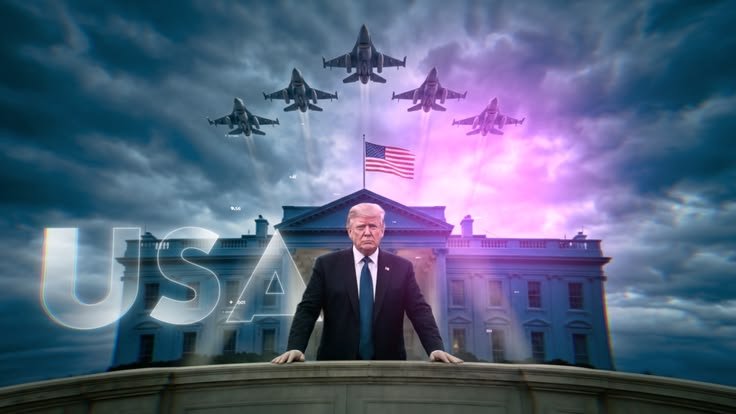
The phrase WW3 News has become increasingly common in online searches as conflicts in different parts of the world continue to raise questions about whether local wars could eventually develop into a much larger international confrontation. In 2026, tensions involving the United States, Iran, Russia, Ukraine, Israel and other regional powers have made geopolitical developments particularly important to watch.
However, it is important to separate genuine developments from sensational headlines. The world is experiencing several serious conflicts and dangerous military confrontations, but that does not automatically mean that World War III has begun. Analysts continue to debate how closely today’s conflicts resemble the conditions that preceded previous global wars.
What Does WW3 News Mean?
WW3 News generally refers to news and analysis about developments that could increase the possibility of a large-scale global conflict. These stories may involve military confrontations, nuclear threats, alliances, international disputes, sanctions, weapons deployments, cyberattacks and diplomatic crises.
World War III itself remains a hypothetical concept rather than the name of an officially declared war. A true world war would generally involve multiple major powers becoming directly involved in a broad international conflict.
This distinction matters because headlines sometimes use phrases such as “World War III fears” even when countries are still attempting to prevent a wider war through diplomacy.
Why WW3 News Is Getting More Attention in 2026
There are several reasons interest in WW3 News has increased.
The first is the number of simultaneous conflicts. The war in Ukraine remains unresolved, while the Middle East has experienced direct military confrontation involving major powers. Other flashpoints include the Taiwan Strait, the Korean Peninsula and the Red Sea.
A recent analysis from the Lowy Institute described a world in which several conflicts and geopolitical tensions overlap without necessarily becoming one unified global war.
The second reason is the involvement of powerful countries. When major military powers become directly involved in regional conflicts, the possibility of escalation becomes more serious.
The third factor is nuclear weapons. The United States, Russia, China and other nuclear-armed states have the ability to cause enormous destruction. This makes escalation management especially important.
Latest WW3 News: Rising U.S.-Iran Tensions
One of the biggest developments currently attracting attention is the escalating conflict between the United States and Iran.
On September 9, 2026, Reuters reported that Iran and the United States had carried out a major new wave of attacks involving maritime shipping. Iran targeted ships near the Strait of Hormuz after U.S. forces attacked Iranian oil tankers. Iran also launched ballistic missiles toward a U.S. base in eastern Jordan.
The situation is significant because the Strait of Hormuz is one of the world’s most important energy routes. Disruptions there can affect oil supplies and prices far beyond the Middle East.
Brent crude oil recently moved above $100 per barrel as concerns about supply disruptions increased.
For people following WW3 News, this is an important development because prolonged confrontation between major powers can create pressure for additional military involvement by allies.
At the same time, an escalation in one region does not automatically mean a global war is underway.
The Strait of Hormuz and Global Security
The Strait of Hormuz is particularly important because enormous quantities of energy products pass through the area.
When military attacks threaten commercial shipping, the consequences can extend beyond the countries directly involved.
Higher shipping costs can lead to:
- More expensive fuel
- Higher transportation costs
- Increased food prices
- Inflation
- Pressure on businesses
- Financial market volatility
- Greater political pressure on governments
Recent reports indicate that shipping activity through the area has fallen significantly amid the conflict. Iran has also warned that further U.S. attacks could lead to additional retaliation against energy assets.
This is one reason economic developments are an important part of following WW3 News.
Russia and Ukraine Remain a Major Concern
Another major source of international tension is the continuing Russia-Ukraine war.
The conflict has already lasted for years and continues to involve missiles, drones, artillery and long-range attacks. European countries and NATO members remain heavily involved in supporting Ukraine while attempting to avoid direct war between NATO and Russia.
Recent reporting indicates that European countries are increasing support for Ukrainian air defense, including additional Patriot missile systems and other military equipment.
The danger is not simply the fighting between Russia and Ukraine. The larger concern is the possibility of an incident involving NATO territory or military forces that could trigger a much wider confrontation.
That is one of the reasons Russia-NATO relations are closely followed in WW3 News coverage.
Could Russia and NATO Enter a Direct War?
This remains one of the most serious questions surrounding European security.
Russia and NATO have avoided direct full-scale military confrontation despite extremely high tensions. Western countries have supplied Ukraine with weapons, intelligence and financial support, while Russia has repeatedly warned against deeper Western involvement.
There have also been allegations involving sabotage, drones and other forms of so-called hybrid warfare in Europe. European governments have responded cautiously because direct military retaliation could potentially create a much larger confrontation.
The situation demonstrates an important point: modern conflict does not always begin with a formal declaration of war. Cyberattacks, sabotage, drones, economic warfare and proxy conflicts can all increase tensions.
China and the Taiwan Question
China-Taiwan tensions are another Major Issue frequently discussed in WW3 News analysis.
Taiwan is strategically important because of its location, economy and role in global technology supply chains. A military conflict in the Taiwan Strait could potentially involve China and the United States, creating one of the most dangerous possible scenarios.
For now, avoiding direct conflict remains in the interest of all major powers.
A U.S.-China confrontation could have consequences far beyond East Asia, affecting global trade, technology, shipping and financial markets.
This is why analysts closely monitor military exercises, diplomatic meetings, sanctions and statements from Beijing and Washington.
Is World War III Already Happening?
This is probably the biggest question behind searches for WW3 News.
The short answer is: there is no clear basis for saying that World War III has officially begun.
There are several major wars and military confrontations happening around the world, and some of them involve powerful countries. But a collection of separate conflicts is not automatically the same thing as a single world war.
A recent Lowy Institute analysis specifically argued against casually labeling every interconnected conflict as World War III.
That distinction is important because exaggerated headlines can create unnecessary fear.
Instead of asking only, “Has WW3 started?”, it is more useful to monitor whether major powers are moving toward direct and sustained military confrontation.
What Could Trigger a Larger Global War?
Several situations could theoretically increase the risk of a broader conflict.
1. Direct NATO-Russia Fighting
A direct military clash between NATO forces and Russia would be one of the most dangerous possible developments.
2. U.S.-China Military Conflict
A confrontation over Taiwan or another disputed area could potentially involve two of the world’s most powerful militaries.
3. Expansion of the Middle East War
If the current U.S.-Iran confrontation expands to include additional major powers or neighboring countries, the regional consequences could become much greater.
4. Nuclear Escalation
Nuclear weapons represent the most extreme danger. Even limited nuclear use could create enormous humanitarian and geopolitical consequences.
5. Miscalculation
Perhaps one of the biggest dangers is not deliberate world war but a mistake.
A missile could be misidentified. A military aircraft could be shot down. A cyberattack could be incorrectly attributed. A strike could accidentally kill personnel from another country.
Such incidents could create political pressure for retaliation.
Why Nuclear Weapons Make WW3 Different
World War I and World War II occurred before the modern nuclear era.
Today, several countries possess nuclear arsenals, meaning that a direct confrontation between major powers carries a unique level of risk.
Nuclear deterrence is based partly on the understanding that a nuclear attack could result in devastating retaliation. This has historically encouraged governments to exercise caution during major crises.
However, deterrence is not a guarantee that accidents or miscalculations cannot happen.
For this reason, diplomatic communication between nuclear powers remains extremely important.
The Economic Impact of Global Conflict
You do not have to live near a battlefield to feel the effects of an international crisis.
Recent Middle East escalation has already affected oil prices and financial markets. Reuters reported that Brent crude moved above $100 per barrel as concerns about disruptions to global energy supplies increased.
A prolonged global crisis could affect:
Energy: Oil and gas prices could rise.
Food: Higher transportation and fertilizer costs could increase food prices.
Technology: Semiconductor and electronics supply chains could be disrupted.
Travel: Air routes and insurance costs could be affected.
Currencies: Financial markets could experience major volatility.
Interest rates: Central banks could face renewed inflation pressures.
Therefore, WW3 News is not only about armies and weapons. It can also be about the global economy and everyday life.
Social Media and Fake WW3 News
Another major issue is misinformation.
During international crises, old videos are frequently reposted as if they show current fighting. Fake maps, edited military footage and misleading headlines can spread rapidly across TikTok, X, Facebook, YouTube and other platforms.
Readers should therefore verify major claims through multiple reputable sources before believing them.
A dramatic headline saying “WW3 HAS STARTED” is not necessarily evidence that a world war has actually begun.
Reliable reporting should identify:
- Where an event happened
- When it happened
- Which governments confirmed it
- Whether independent sources reported it
- Whether military claims have been independently verified
This is particularly important when information could influence public fear.
What to Watch in Future WW3 News
People following WW3 News should pay attention to several indicators.
First, watch for direct military clashes between major powers.
Second, monitor changes in nuclear alert levels and official nuclear statements.
Third, watch developments involving NATO and Russia.
Fourth, follow U.S.-China relations and Taiwan.
Fifth, monitor the Middle East, especially the U.S.-Iran conflict and shipping through the Strait of Hormuz.
Finally, pay attention to diplomacy. Peace talks, ceasefires and communication between governments can be just as important as battlefield developments.
Final Thoughts on WW3 News
The current international environment is undeniably dangerous. Wars in Ukraine and the Middle East, tensions between major powers, nuclear weapons and competition over strategic regions have created a complicated global security situation.
The latest developments involving the United States and Iran are particularly significant because attacks on shipping and energy infrastructure can have consequences for the entire world.
Nevertheless, it is important not to confuse serious global instability with an officially declared World War III.
The best approach to following WW3 News is to remain informed without relying on sensational predictions. International crises can change quickly, and responsible reporting should distinguish confirmed events from speculation.
Read More About: NexaChronicle